
The Psychology of Casino Beliefs
Understanding the psychological underpinnings of gambling is crucial for any player aiming for a more positive and potentially rewarding experience. Our beliefs about chance, skill, and luck significantly shape our decision-making at the casino, and maintaining an agile flow in our approach helps us adapt to changing circumstances. For instance, believing that a certain machine is “due” for a win or that a specific strategy guarantees success can lead to flawed betting patterns and emotional distress when those beliefs aren’t validated.
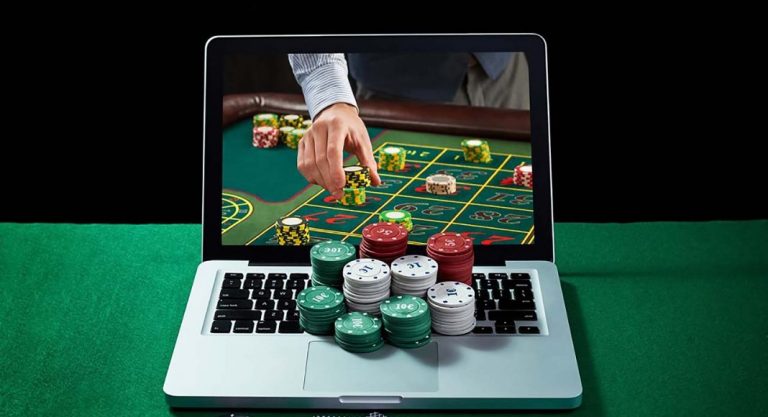
It’s important to differentiate between genuine skill, as in certain card games, and the pervasive belief in luck. While luck is an undeniable factor in casino gambling, fostering an overreliance on it can be detrimental. A balanced perspective acknowledges the role of chance while focusing on responsible play and understanding the odds, rather than succumbing to superstitions or unfounded expectations that can lead to negative outcomes.
Cultivating a Responsible Gambling Mindset
A responsible gambling mindset is built on realistic expectations and a clear understanding of the risks involved. Instead of chasing elusive “hot streaks” or believing in predetermined outcomes, a responsible player focuses on setting limits, managing their bankroll effectively, and viewing gambling as entertainment rather than a guaranteed income source. This cognitive shift is paramount to avoiding the pitfalls of problem gambling.
Developing a positive outlook in a casino environment doesn’t mean ignoring the inherent risks. It means actively choosing to engage with the games in a controlled and informed manner. This involves recognizing that wins are not guaranteed and losses are a possibility, and maintaining emotional equilibrium regardless of the outcome. Such a mindset fosters a healthier relationship with gambling.
The Impact of Beliefs on Betting Strategies
Our deeply held beliefs about gambling directly influence the betting strategies we employ. If you believe you can influence the outcome of a slot machine through your betting pattern, you might fall into a trap of increasing your stakes significantly after a loss, hoping to recoup it quickly. This belief, while common, often leads to accelerated depletion of funds.
Conversely, a belief grounded in statistical reality and responsible play encourages strategies focused on managing risk. This might involve setting strict betting limits per session, understanding the house edge in different games, and walking away when predetermined loss thresholds are met. Such approaches are far more sustainable and less emotionally taxing, allowing for enjoyment of the gaming experience.
Harnessing Positive Self-Talk for Better Outcomes
The internal dialogue we have while gambling can profoundly affect our performance and overall experience. Negative self-talk, such as blaming oneself for losses or feeling inadequate, can lead to impulsive decisions and a diminished enjoyment of the game. Conversely, positive self-talk, focused on acknowledging the entertainment value and managing expectations, can create a more relaxed and enjoyable atmosphere.
Employing affirmations and positive reframing can help shift a player’s internal narrative. Instead of thinking “I’ll never win,” one can think “I’m enjoying the game and managing my budget wisely.” This mental discipline not only enhances the gaming experience but also supports better decision-making by reducing emotional pressure and fostering a more rational approach to the inherent uncertainties of casino play.

Navigating the Casino Floor with Informed Beliefs
Approaching a casino environment with a set of informed and responsible beliefs is key to a positive experience. This means understanding that games of chance, like slots and roulette, are primarily driven by random number generators, and no strategy can overcome the built-in house advantage. While games like poker and blackjack involve skill, they still carry elements of luck and require diligent practice to master.
A crucial belief to adopt is the importance of setting and adhering to a strict budget before even stepping onto the casino floor. This financial discipline prevents impulsive spending and ensures that gambling remains a form of entertainment. Furthermore, recognizing the signs of problem gambling and knowing when to stop are essential components of a responsible and positive gambling belief system, allowing players to enjoy the excitement without succumbing to its potential downsides.